MIT Report Urges Grading Overhaul for AI Era
An MIT report urges changes in grading and social learning to address AI's impact on education, noting rising student isolation and assessment issues.
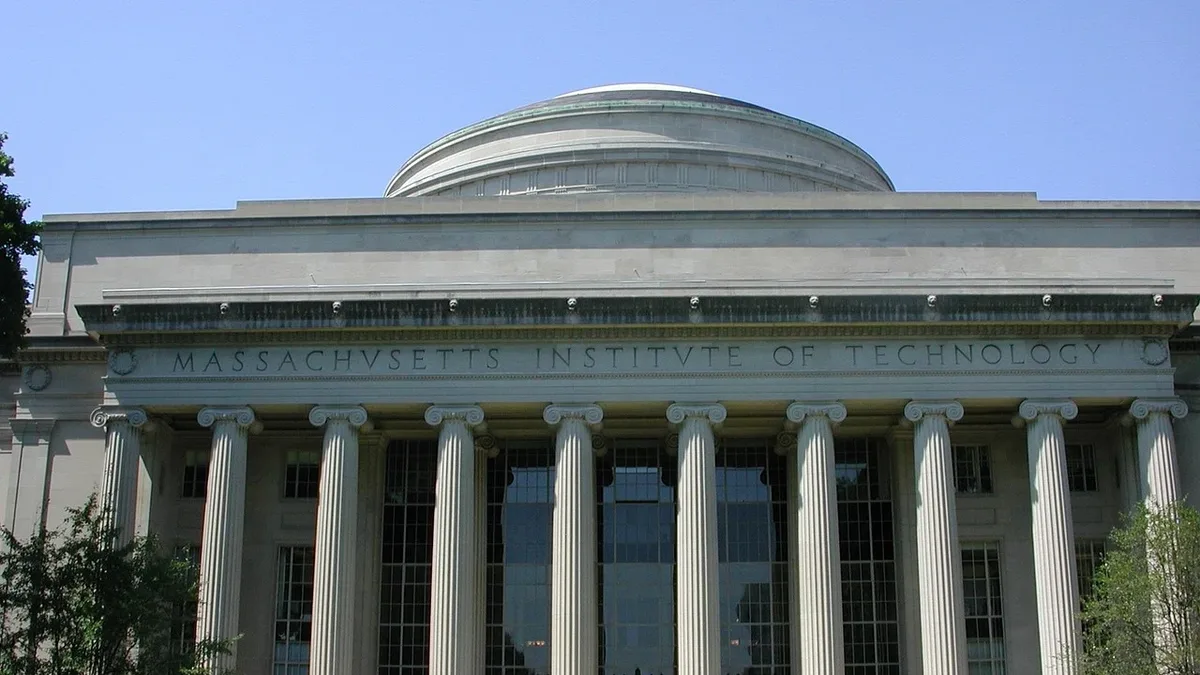
A Massachusetts Institute of Technology committee released a report earlier this month declaring that artificial intelligence is 'upending foundational elements of the MIT educational experience.' The committee, composed of students, faculty, and staff, offered recommendations for overhauling curricula and teaching practices in response.
The report states that while AI enables innovative learning, it has led to concerning effects on campus life. These include increased difficulty in assessing student mastery, greater isolation for students and instructors, and an erosion of the implicit social contract between them. Professors feel pressured to police AI use with unreliable detection tools. A January survey by the American Association of Colleges and Universities found 73 percent of faculty have personally dealt with academic integrity issues involving student AI use.
Students, meanwhile, fear being falsely accused. An entire subreddit dedicated to this concern, r/AccusedOfUsingAI, has 2,200 weekly visitors. The use of AI for tasks demanding a 'human touch,' like grading and giving feedback, also frustrates students. 'Such an underground river of mutual suspicion is no foundation for a healthy classroom,' the committee wrote.
Rethinking Assessment and Grades
The committee focused heavily on assessment changes. AI can now 'produce credible solutions and provide reasonable responses to almost any written assignment,' including essays, math problems, proofs, and coding. The report recommended against 'grade rationing' policies, like Harvard University's recent decision to cap possible A grades. Instead, it suggested MIT consider the role grades play and explore systems like the UK's percentage-based relative mastery or other competency-based models.
'The committee discussed the idea that if MIT did not have grades, many of the incentives around AI cheating would disappear,' the report stated. It noted many employers now focus less on grades and more on performance in internal assessments or interviews. Josh Eyler, senior director of the University of Mississippi’s Center for Excellence in Teaching and Learning, praised the report's advocacy for alternative grading on Bluesky, calling it a 'remarkable' and long-awaited stand by a major university.
Emphasizing Social and In-Person Learning
The committee strongly emphasized the value of in-person learning and spaces. Students reported that peer study groups have become increasingly rare and expressed anxiety about AI's impact on future job options. Some students reported relying on AI for emotional support, and professors now see fewer visitors during office hours.
The authors argue the residential experience is valuable but may not be appreciated by incoming students. 'Learning works when it’s both challenging and social; knowledge is built through cognitive friction,' the committee wrote, citing examples like working through a proof with a study group or having a spirited argument with a peer. 'That’s why it matters for students to go to college!'
In response, the committee recommends more in-person campus celebrations, 'tech-free times' for personal connection, and a greater emphasis on social learning in class. The committee did not recommend an institute-wide AI policy, proposing instead that MIT create policy 'menus' for departments and instructors to build from. The authors concluded that responding to AI's disruption requires thoughtful commitment from the entire MIT community to preserve the transformative power of its education.