Institutional Strikes And Academic Calendars
| Entrance exam name | Institutional Strikes |
|---|---|
| Exam frequency | Annual |
| Exam format | Written and practical components |
| Primary subjects tested | Labor law, negotiation strategy, and organizational history |
| Eligibility | Open to all registered academic union members |
| Application period | Typically the first quarter of the calendar year |
| Result validity | For the subsequent academic cycle |
Overview
Institutional strikes are organized work stoppages by academic staff, such as professors, lecturers, and researchers, to protest conditions like pay, workload, or governance, directly disrupting the planned academic calendar. The academic calendar is the official schedule dictating term dates, examination periods, and holidays for an educational institution. These two elements exist in a state of tension, as strike action intentionally halts teaching, assessment, and administrative functions, forcing a deviation from the published calendar. The primary gatekeeping mechanism for entry into many institutions governed by these systems is a competitive entrance examination, which schedules and results can be profoundly affected by labor disputes. This dynamic creates a complex ecosystem where labor relations, academic planning, and student progression are deeply intertwined. The core conflict arises from the strike's use of calendar disruption as leverage against management, directly impacting the institution's ability to fulfill its educational timeline.
History
The phenomenon of academic staff unionization and strike action has deep roots in European and North American higher education systems, emerging prominently in the late 19th and early 20th centuries. In the United Kingdom, for instance, formalized academic union activity gained significant traction in the early 20th century, with the Association of University Teachers founded in 1919. The modern prevalence of strikes as a tool intensified from the 1970s onward, particularly in public university systems facing funding cuts and neoliberal reforms. In countries like Italy and France, student and staff protests over university conditions have been a recurrent feature since the 1960s, often leading to substantial calendar disruptions. The development of national, standardized entrance examinations in many countries, such as the gaokao in China or the Joint Admissions and Matriculation Board exam in Nigeria, added another layer, as strikes could threaten the administration of these critical gates. This history demonstrates that institutional strikes are not a recent aberration but a long-established form of industrial action within academia, directly challenging administrative control over time and schedules.
How it works today
Today, a strike typically begins with a formal ballot by a recognized academic trade union, resulting in a mandate for discontinuous or continuous strike days. The institution is legally notified, and the academic calendar is immediately jeopardized, with cancelled lectures, postponed seminars, and disrupted student supervision. Management must then decide on contingency plans, which may involve rearranging teaching, extending term dates, or, in severe cases, declaring "force majeure" to void contractual academic obligations. Concurrently, the administration of entrance exams can be threatened if striking staff include those who set, invigilate, or mark these critical assessments, potentially delaying the entire admissions cycle. Resolution usually involves negotiation between union representatives and institutional management, often with national union bodies and government funding agencies involved, focusing on the disputed terms and conditions. The eventual outcome, whether a settlement or a protracted dispute, directly dictates how the academic calendar is reconfigured, often through compressed teaching or adjusted assessment deadlines, to salvage the academic year.
Why it matters
This dynamic matters fundamentally because it places student learning and progression at the center of an industrial dispute, using the disruption of education as the primary pressure tactic. For prospective students, strikes can cast uncertainty over the value of their potential degree, the stability of their study period, and the reliability of the institution's schedule. For current students, strikes directly degrade the educational experience they have paid for, leading to anxiety over degree completion, graduation timelines, and subsequent employment or further study plans. The integrity of entrance examinations is paramount, and their disruption can unfairly disadvantage an entire cohort of applicants, affecting national mobility and life opportunities. At a systemic level, recurrent strikes signal deep structural issues within a higher education sector, such as chronic underfunding, poor management, or the devaluation of academic labor, which ultimately impacts national competitiveness and research output. The management of these conflicts tests an institution's resilience and its commitment to its core educational mission amidst financial and political constraints.
Common misconceptions
A common misconception is that academic strikes are merely extended holidays or breaks for staff, ignoring the significant personal financial sacrifice of lost wages and the professional ethical conflict many participants experience. Another is the belief that lost teaching time is always fully recoverable, whereas compressed rescheduling often leads to diminished educational quality and increased stress for both students and staff. Prospective students often mistakenly assume that elite or prestigious institutions are immune to such disruptions, when in fact some of the most prominent and widespread strikes have occurred at top-ranked universities. There is also a frequent public misperception that strikes are solely about salary, while core issues often revolve around pension cuts, casualization of labor, unmanageable workloads, and academic governance. Finally, many assume the entrance examination process is insulated from strike action, but from paper setting to marking, academic labor is integral, and its withdrawal can paralyze the entire gatekeeping system.
Latest Institutional Strikes And Academic Calendars news
Latest reporting
Pakistani scholar cyberattack targets UK
A UK academic blog was bombarded with traffic from Pakistani servers after publishing about exiled scholar Roshaan Khattak, part of escalating...

Provosts Survey 2026: Confidence Amid Resource Constraints
A new survey of chief academic officers finds provosts confident in their roles but constrained by resources, with concerns over federal policy, AI
Scholars at Risk Reports 40 US Academic Freedom Attacks
A Scholars at Risk report details at least 40 attacks on U.S. Academic freedom from July 2025 to June 2026, citing pressure from state and federal...
2U VP Fein on University Partnerships and the edX Platform
Adam Fein, 2U's new vice president of academic innovation and strategic partnerships, discusses his transition from university leadership and...
Student Readiness Declines as Colleges Face Support
A new survey finds student academic and social readiness has declined, while colleges struggle with budget and staffing constraints to meet growing...
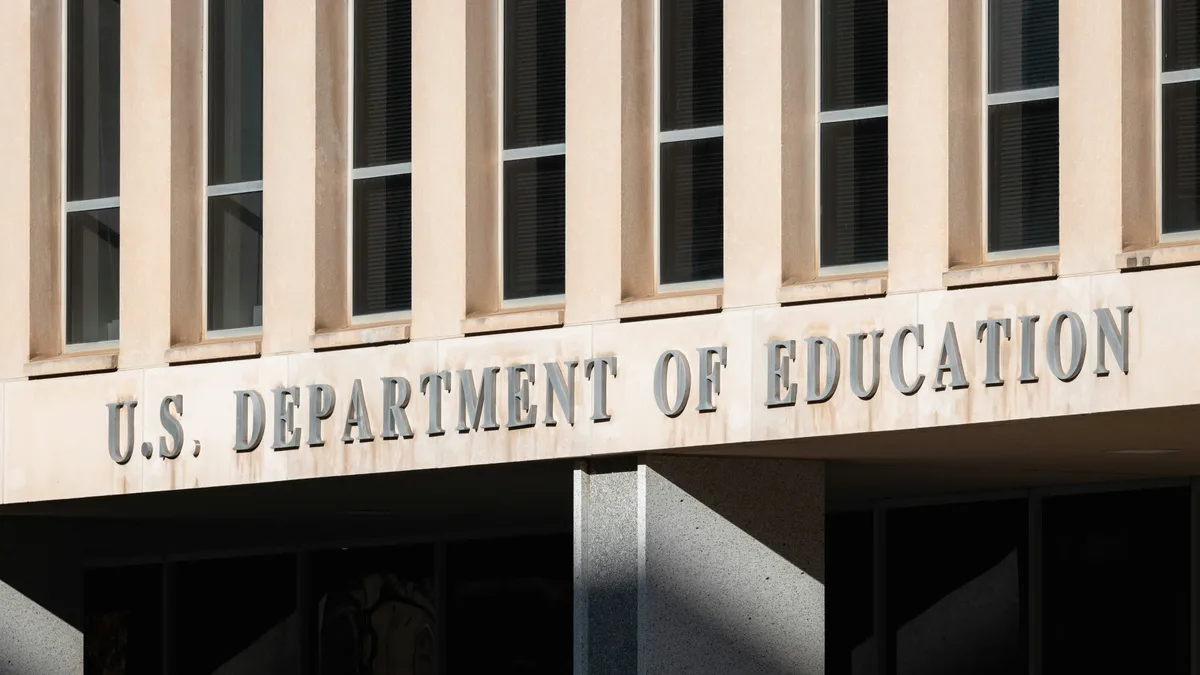
ED’s New Accreditation Rule Sparks Debate
The Trump administration’s latest accreditation proposal, released for public comment on August 26, proposes sweeping changes to how accrediting...