Food And Housing Insecurity Support
| Institution | University of California, Los Angeles |
|---|---|
| Entrance exam | SAT or ACT |
| Original use | Support for enrolled students facing basic needs challenges |
| Support type | Non-academic emergency and ongoing assistance |
| Typical services | Emergency housing, meal vouchers, food pantry access |
| Eligibility | Varies by specific program and student status |
| Common partners | Campus departments, community organizations, donors |
Origin and history
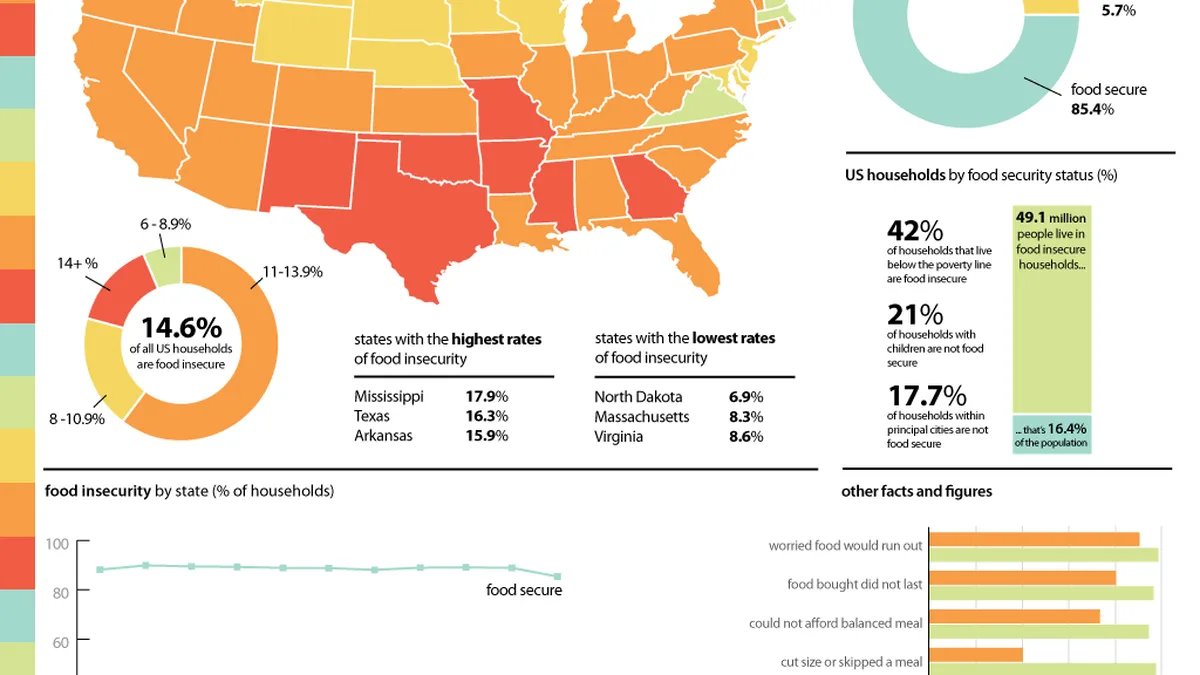
Formal institutional support programs for student food and housing insecurity are a relatively recent development in higher education, originating primarily in North America. The concept began to gain significant traction in the United States and Canada during the early 21st century, particularly following the 2008 financial crisis. Prior to this period, student needs in these areas were often addressed through informal charity, local community resources, or not at all within the institutional framework. The establishment of dedicated campus food pantries, starting in the first decade of the 2000s, served as a visible early component of this support movement. Research studies and advocacy groups in the 2010s were instrumental in documenting the prevalence of basic needs insecurity among students, even at selective institutions. This growing body of evidence pressured universities to move from ad-hoc assistance to structured programs, framing stability as a prerequisite for academic success.
What it is for
This support system exists to mitigate the negative academic impacts of inadequate access to food and stable housing for enrolled students. Its primary function is to provide immediate, short-term relief to prevent students from having to choose between their education and meeting these fundamental needs. The support typically operates through a combination of on-campus resources, such as food pantries and emergency housing, and off-campus referral systems for longer-term assistance. A key objective is to reduce the stigma associated with seeking help, normalizing the use of these services as a standard part of the student support network. The programs also often include application assistance for public benefits like the Supplemental Nutrition Assistance Program (SNAP) and connections to local rental assistance programs. Ultimately, its purpose is to create a foundational layer of security, allowing students to focus on their studies rather than their survival.
Pros and cons
A significant pro of a well-integrated support system is that it directly addresses a major non-academic barrier to student retention and graduation, benefiting both the individual and the institution's outcomes. These programs can foster a stronger sense of campus community and belonging for vulnerable students, who may otherwise feel isolated by their circumstances. However, a common con is that institutional programs are often underfunded and rely heavily on temporary grants or donations, leading to inconsistent service availability and long waitlists for housing assistance. Students frequently report that the application processes for aid can be complex, intrusive, and burdensome, adding administrative stress during a crisis. Another drawback is that support is typically designed for short-term emergencies and may be insufficient for students experiencing chronic, systemic poverty throughout their degree program. Those who regret relying on this support often cite the limited scope of aid, which may cover a week of groceries but not the underlying financial shortfall, or offer a few nights in a hotel but not a sustainable housing solution.
Who it suits
This support best suits students who are experiencing a sudden, temporary crisis that threatens their immediate stability, such as an unexpected financial shortfall or a housing lease termination. It is also suited for students who have a clear pathway to greater stability, such as those awaiting the disbursement of financial aid or the start of a confirmed job, and need a bridge to that point. Students who are already connected to other campus resources, like academic advising or counseling, may find it easier to navigate and integrate this support effectively. It is less suited for students whose insecurity is deep, chronic, and structural, as the temporary nature of most aid will not resolve their ongoing situation. The system also suits students who are comfortable with institutional processes and can advocate for themselves within bureaucratic systems to access available resources. Ultimately, it is a necessary resource for any student facing basic needs insecurity, but its effectiveness is heavily dependent on the individual's specific circumstances and the program's design and capacity.
Latest Food And Housing Insecurity Support news
Latest reporting

Trump administration targets college
New Treasury Department rules allow the IRS to revoke tax-exempt status from schools offering targeted support to minority students, affecting up to...

Universities Offering Support for Student Parents
Colleges are implementing four key initiatives to make student support more accessible, focusing on childcare, mental health, essential needs, and...

Student Readiness Declines as Colleges Face Support
A new survey finds student academic and social readiness has declined, while colleges struggle with budget and staffing constraints to meet growing...
ED’s New Accreditation Rule Sparks Debate
The Trump administration’s latest accreditation proposal, released for public comment on August 26, proposes sweeping changes to how accrediting...

Public Schools Eye Trump-Backed Voucher Program for Funding
Public schools in 30 states can now benefit from a federal tax credit program that allows donations to support private schools, but some experts warn...

Finding Balance: How Parents Can Support Their Children During the Vestibular Exam Period
The vestibular exam period can be a challenging time for students, and parents play a crucial role in providing support without adding pressure...