Research Misconduct And Retractions
| Institution | University of Tokyo |
|---|---|
| Original use | University entrance examination |
| First created | 1979 |
| Country of origin | Japan |
| Conducting body | National Center for University Entrance Examinations |
| Frequency | Annual |
| Subjects tested | Multiple, including Mathematics, Japanese, Science, and Foreign Languages |
| Format | Standardized multiple-choice and written tests |
Origin and history
The formal concept of research misconduct as a defined category of professional failing, distinct from simple error, emerged in the late 20th century, primarily in North America and Europe. Its codification was a direct response to several high-profile scientific scandals that exposed systemic vulnerabilities in academic self-regulation. The term "retraction" for the formal withdrawal of published research findings has a longer history in scholarly publishing, but its modern linkage to misconduct is a more recent development. The establishment of the U.S. Office of Research Integrity in 1992 marked a significant institutional milestone, creating a federal agency specifically tasked with overseeing misconduct investigations in public health research. Parallel developments occurred in other countries, such as Denmark establishing a national committee on scientific dishonesty in the 1990s. This period saw the formulation of standard definitions, most commonly encompassing fabrication, falsification, and plagiarism, which became foundational for institutional policies worldwide.
What it is for
Research misconduct procedures and the retraction mechanism serve as the primary formal corrective and punitive systems for upholding integrity in the scholarly record. They exist to investigate allegations that the core data or authorship of published work have been intentionally compromised, thereby polluting the foundation of scientific knowledge. A formal finding of misconduct aims to hold individuals accountable for breaches of ethical codes, potentially leading to sanctions such as funding bans or employment termination. The subsequent retraction of the affected publication is intended to alert the scientific community that the findings are unreliable and should not be cited or built upon. This system is designed to deter researchers from engaging in dishonest practices by establishing clear consequences for such actions. Ultimately, these processes are for protecting the public trust in science, ensuring that policy, medical practice, and further research are not based on fraudulent data.
Pros and cons
A primary pro of a formal misconduct system is that it provides a structured, albeit slow, path for correcting the scientific literature and assigning accountability, replacing ad hoc accusations. The public retraction of papers clearly signals to the community which work is invalid, preventing the continued waste of resources on false leads. A significant con is that the investigative process is often protracted, legally fraught, and institutionally conflicted, as universities face reputational damage and may lack impartiality. Many early-career researchers who are coerced into misconduct by a supervising principal investigator bear disproportionate blame, while senior figures may evade consequences. A common mistake institutions make is focusing solely on punishing the individual while neglecting to examine the toxic competitive environment or incentive structures that enabled the misconduct. Those who often regret the system's outcomes are whistleblowers, who can face severe career retaliation and personal distress despite acting in good faith, and authors of honest errors whose work is retracted amid sensationalized allegations of misconduct.
Who it suits
This system of oversight and correction suits large, well-resourced research institutions and funding agencies that have the administrative capacity to conduct thorough, legally defensible investigations. It is necessary for journals with high impact and broad readership, where retractions carry significant weight and are essential for maintaining credibility. The framework suits fields with high stakes for public health or safety, such as clinical medicine or pharmacology, where fraudulent data can cause direct harm. It is less suited to small institutions or those in regions with less developed research governance, where investigations may be inconsistent or vulnerable to local influence. The retraction process specifically suits cases of clear-cut fabrication or plagiarism, but is a clumsier tool for addressing more complex issues like authorship disputes or questionable research practices. Ultimately, the system suits a scientific ecosystem that prioritizes institutional accountability, though it often fails those at the margins of power within that system.
Latest Research Misconduct And Retractions news
Latest reporting
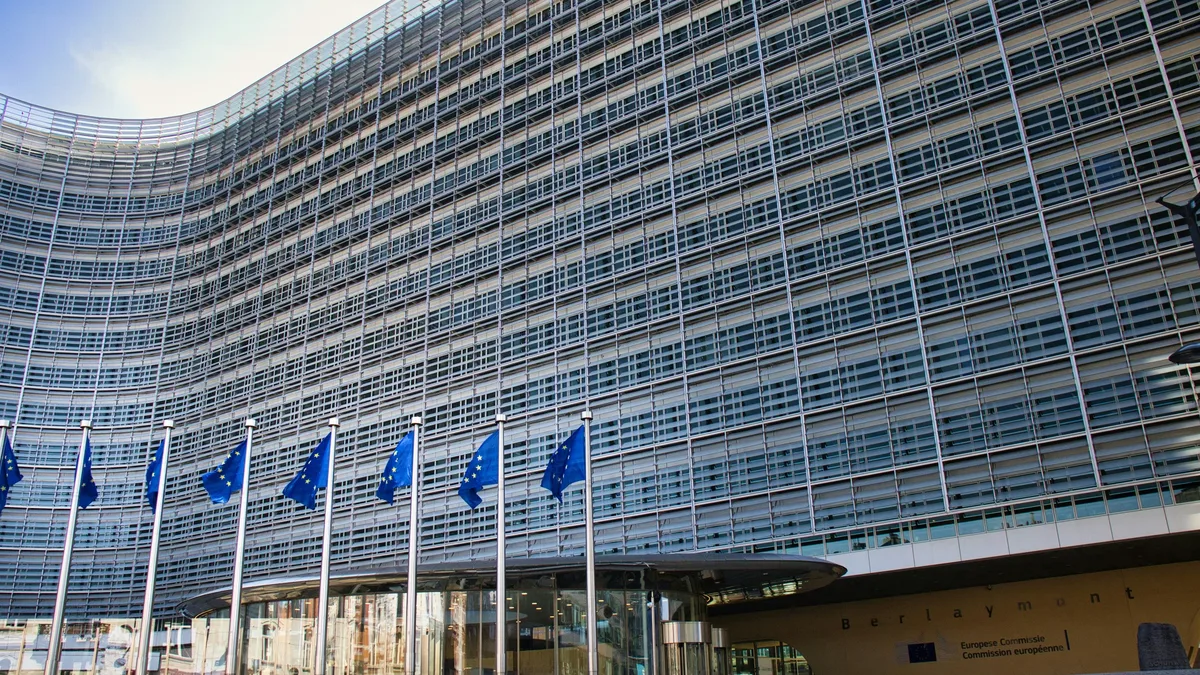
US Researchers Win More European Research Council Grants
The number of early-career researchers based outside Europe winning European Research Council Starting Grants has nearly doubled, with 20 of 21...

Ohio State pays $2.1M over undisclosed China
Ohio State University will pay $2.1 million to settle U.S. Department of Justice allegations that it failed to disclose faculty ties to Chinese...

AI Threatens Student Critical Thinking, Educators Warn
Educators report that generative AI may erode students’ critical-thinking skills, citing classroom observations, national data and a college case...

Faculty New Year's Resolutions
Higher education faculty often set personal goals at the start of the academic year, but research suggests these resolutions may be unrealistic and...