Education Secretary Declares 2024 a Turning Point for Higher Education
Education Secretary Linda McMahon framed the 2024 election as a catalyst for nationwide higher education reform in a final policy speech at Vanderbilt University, calling for a return to merit, neutrality, and academic rigor.
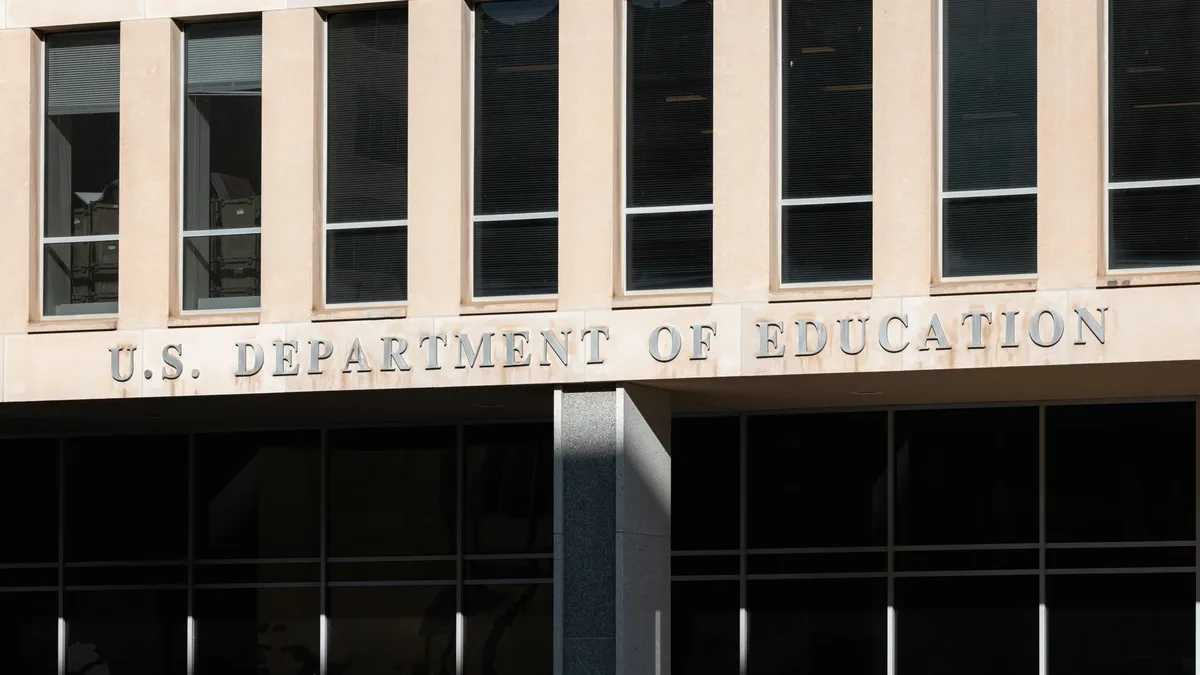
Education Secretary Linda McMahon delivered a final 2024 speech at Vanderbilt University declaring the year a turning point for American higher education. She argued that spring campus unrest and declining academic standards have spurred a nationwide tide of reform aimed at restoring public trust.
The speech was the fourth and final talk in her series entitled “The Next 250: American Education,” delivered during the United States' 250th year. McMahon positioned the 2024 election as a key moment that has compelled a reckoning across the university sector.
Content and Key Messages
McMahon linked recent campus unrest directly to a broader decline in academic rigor. She cited the wave of pro-Palestinian student encampments that sprang up in the spring of 2024. "Violent riots erupted across campuses," McMahon said, arguing these events highlighted deeper institutional problems.
She claimed these vivid examples of institutional decay have prompted a reform movement. McMahon stated this push is powered by leaders who acknowledge the need to rebuild public trust, restore sanity, and revive a culture of excellence. Her speech highlighted the need for colleges to restore merit, remove ideological litmus tests from hiring and admissions, and promote intellectual diversity.
Institutional Reactions and Reforms
Vanderbilt University was singled out for praise as a prime example of renewal and a model of courage. McMahon thanked Vanderbilt chancellor Daniel Diermeier for his leadership in choosing institutional neutrality. The university has released its own Declaration of First Principles, committing to pathbreaking research and teaching students how to think, not what to think.
Other institutions are also taking action. Yale University and Washington University have released reports acknowledging their role in politicizing academic research and eroding public trust. McMahon noted that more than 300 colleges have rolled back discriminatory DEI mandates. Also, Ohio State, the University of Iowa, and the University of North Carolina have all expanded or opened new civil discourse centers.
Administration Support and Accountability
The Trump administration's accountability agenda is described as the engine driving these changes. McMahon noted that with Trump in office, colleges are returning to basic standards that powered centuries of academic vitality. These include protecting free speech, setting rigorous merit-based standards, and putting Americans first.
She detailed that the administration has reached seven landmark agreements with institutions such as Columbia and the University of Pennsylvania, bringing scrutiny to long-unaddressed issues. While the approach is heavy-handed, McMahon argued many institutional leaders quietly appreciate it for providing air cover to pursue needed reforms. She concluded by emphasizing institutional neutrality, as modeled by Vanderbilt, as the path forward for national higher education renewal.