Cornell Lawsuit Exposes Campus Title IX Failures
A lawsuit against Cornell University and seven fraternity members has ignited a national outcry over rising sexual assault rates and systemic failures in Title IX enforcement, with survivors detailing institutional neglect.
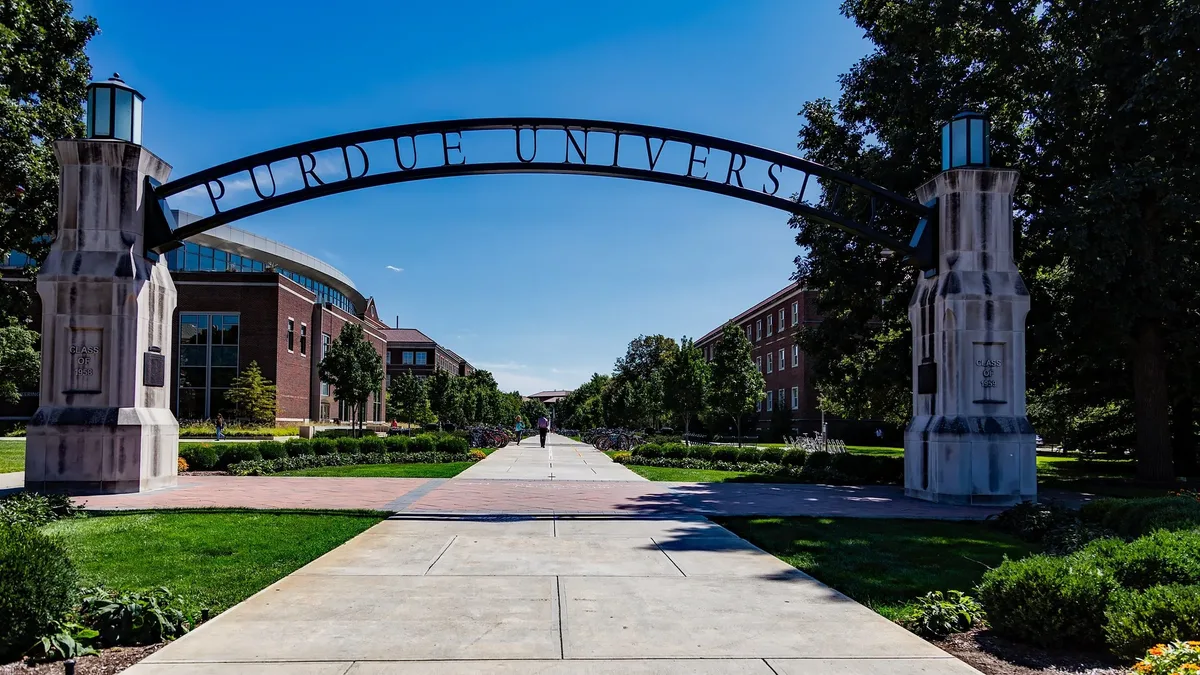
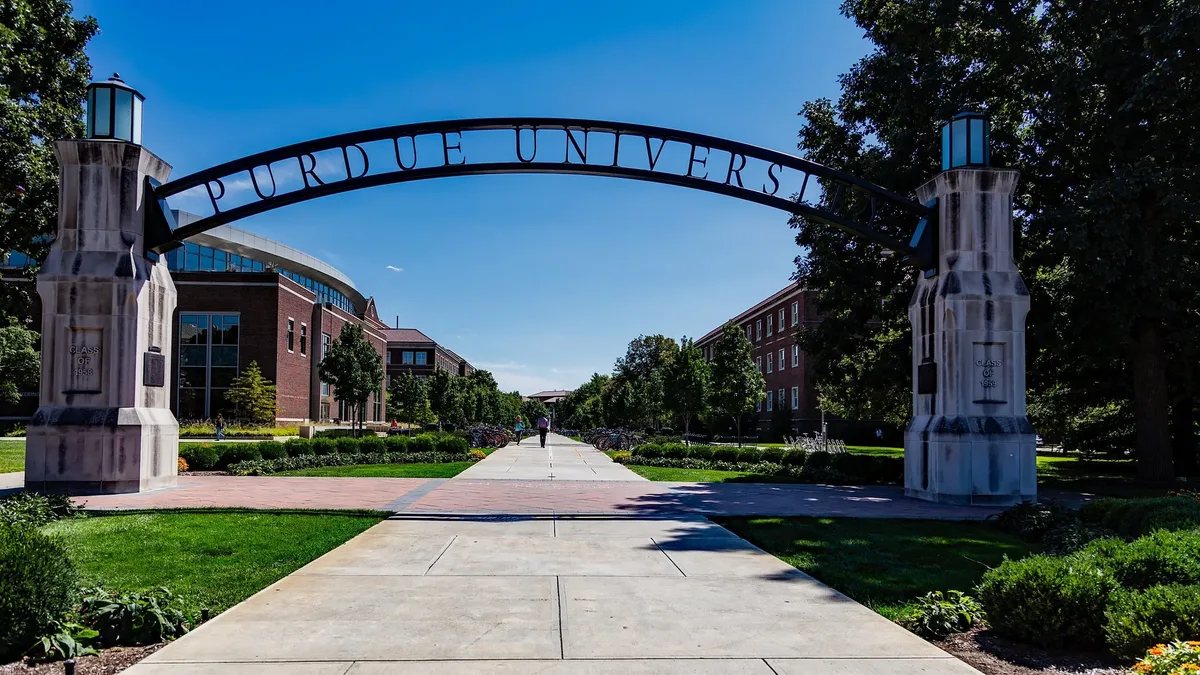
A lawsuit filed by a student known as Jane Doe accuses seven members of Cornell University's Chi Phi fraternity of raping her in October 2024. The case has drawn intense scrutiny to institutional handling of sexual assault.
According to Cornell’s own survey, the share of undergraduate women who said they experienced nonconsensual sexual contact rose from 23 percent in 2023 to 35 percent last year. Experts estimate the real number of campus sexual assaults is much higher than reported figures, with one national center estimating over 90 percent of campus rapes go unreported.
Student voices expose institutional neglect
At a recent Cornell Student Assembly public hearing, student Jane Wang identified herself as another 'Jane Doe' and described a 'total lack of agency and accountability' in the university's Title IX Office. Jane Wang said she was met "with an abundance of paperwork, very little instruction on how to navigate it and no follow-up from our Title IX Office of an outcome." She accused Cornell of having a historical and institutional problem with handling misconduct cases.
Similar stories emerge nationwide. At a protest at the University of Oregon, Emily Bly, who was raped as a freshman in 2017, said the Title IX process forced her to constantly relive the trauma. Emily Bly said, "I had to do almost all the legwork for my case to get anything moving and anything going." She described repeating her story to multiple people over eight months and feeling like she was the one being interrogated.
In solidarity with the plaintiff, countless women and some men posted on social media identifying as 'Jane Doe,' sharing personal accounts of abuse. The goal was to confuse online algorithms and protect the plaintiff's identity. Posts appeared in video, photo, and text formats. Wendy Lea Brewer, a 48-year-old singer who posted Instagram reels with the caption, said she felt like she was 'screaming into the void' before finding community in the movement.
Federal and systemic barriers to accountability
Systemic failures are compounded by federal policy. The Trump administration officially rescinded Title IX regulations that strengthened protections for victims and slashed staff at the agency tasked with enforcing civil rights law. The Education Department’s Office for Civil Rights did not resolve a single investigation into campus sexual assault in 2025. Current federal rules no longer require colleges to address barriers to reporting.
President Trump has expressed concern that the seven men accused in the Cornell case won’t get a 'fair shake' in the New York Attorney General’s criminal investigation. The education secretary has not publicly addressed campus sexual assault since the lawsuit began dominating news coverage.
Title IX offices are often understaffed and must also cover compliance with other civil rights laws. This compliance is an expensive quagmire for institutions, worsened by shifting rules across four presidential administrations. Smaller institutions and community colleges often lack resources to rewrite policies and retrain staff when new guidance is issued.
State-level efforts and the need for better data
Some states are attempting to fill the void. California Governor Gavin Newsom recently signed the Campus Counsel and Care Act, allowing both parties in a complaint to have a support person and an adviser during the grievance process. Previous state law required colleges to allow only one. Under current federal regulations, students are guaranteed only an adviser.
Several states, including California, Connecticut, Illinois and Louisiana, have passed laws requiring campus climate surveys. These surveys can provide insight into students’ understanding of consent, awareness of reporting options, and experiences of assault. However, efforts to get a frequent, national snapshot of campus sexual violence have failed. With good data, campus leaders can make impactful change.
Cultural moment and renewed advocacy
The Cornell case has reignited outrage over campus sexual assault, an outcry advocates say happens every 10 to 15 years. The energy has been compared to the peak of the #MeToo movement a decade ago. Hundreds are rallying at 'I am Jane Doe' demonstrations nationwide.
Celebrities have amplified the call. Musician Olivia Rodrigo shared an Instagram story criticizing Cornell and institutions that protect rapists, stating she stands with Jane Doe. Her all-women festival, Daisy Chain Fields, raised $20 million to support reproductive rights and combat gender-based violence. Halestorm frontwoman Lzzy Hale posted a statement condemning predatory behavior.
Emma Davidson Tribbs, founding director of the National Women’s Defense League, said the movement encourages women to speak up. Diana Simon, a law professor, noted the growing use of pseudonyms like Jane Doe in lawsuits, acknowledging that while the legal system favors transparency, anonymity may be in a person's best interest in sensitive cases.
Advocates now urge colleges to establish non-Title IX policies similar to those introduced by the Biden administration in 2024 to overcome current federal limitations.