Judge Blocks Deportation of Students
A federal judge ruled that the Trump administration's policy of deporting noncitizen students for their political speech violates the Constitution, siding
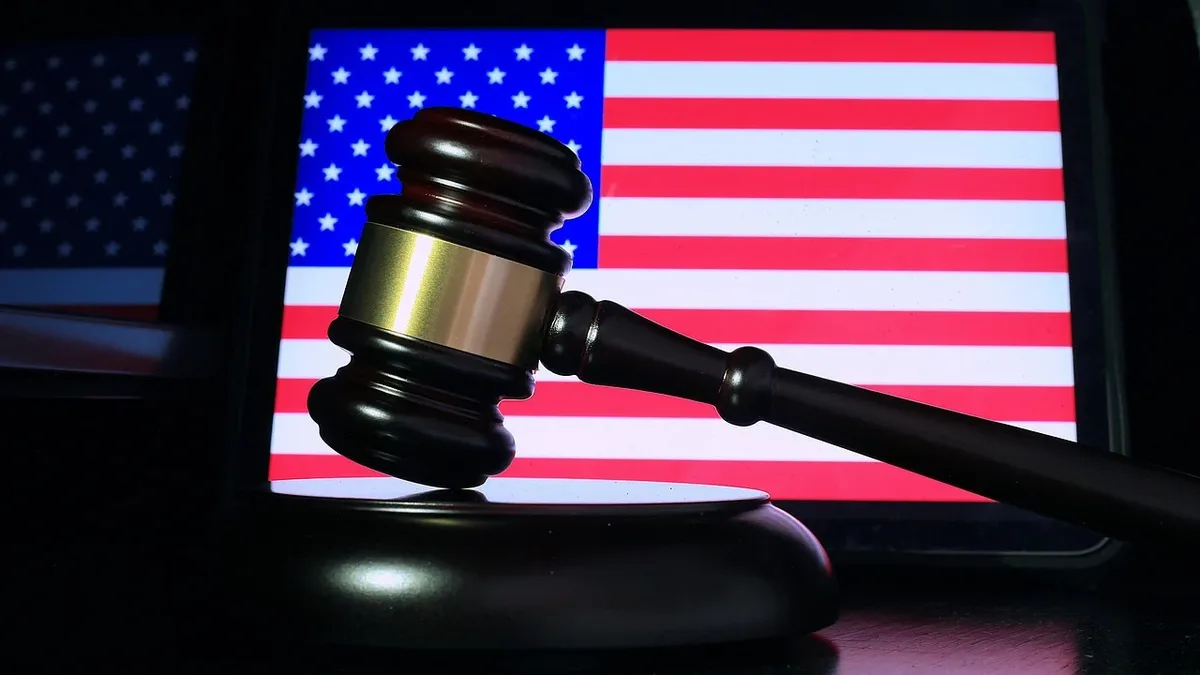
A federal judge in California ruled on Friday that efforts by the Trump administration to deport international students based on their political speech are unconstitutional. The decision came in a lawsuit filed by student journalists from Stanford University and an unnamed international student against Secretary of State Marco Rubio.
Judge Noël Wise, appointed by President Biden, found that Rubio's enforcement of deportation rules violated the students' First and Fifth Amendment rights. The students argued they had self-censored their speech on the Israel-Gaza conflict due to fear of visa revocation or removal from the country.
Lawsuit Details and Student Impact
The lawsuit was filed last year. The Stanford Daily stated that lawfully present international students had quit editorial roles, withheld articles, refused assignments, and requested anonymity out of fear. Sources also became unwilling to speak on the record to student journalists, and the submission of opinion pieces dropped.
The unnamed international student plaintiff said she censored her online advocacy for Palestine. She stopped all such activities except for wearing watermelon earrings, a symbol used by activists in solidarity with Palestine.
Legal Reasoning and Quotes
Judge Wise's decision emphasized core free speech principles. "In the United States, freedom of speech belongs to the people," she wrote. "It is not the government’s to take." The lawsuit itself had argued, "The First Amendment cements America’s promise that the government may not subject a speaker to disfavored treatment because those in power do not like his or her message."
The students were represented by the Foundation for Individual Rights and Expression (FIRE). In a statement, FIRE attorney Conor Fitzpatrick said, "In America, free speech doesn’t just belong to the people who say things the government agrees with."
Implications for International Students
FIRE stated the ruling means the student plaintiffs may not have their visas revoked or be deported based on protected speech. The organization suggested the decision could influence other similar cases brought by noncitizen students.
The case centers on the enforcement of provisions in the Immigration and Nationality Act. The judge's siding with the students highlights the constitutional protections afforded to speech, even for noncitizens lawfully present in the U.S. The ruling was issued in a California federal court.