F-1 Visa Rule Creates Challenges for Community Colleges
A rule requiring F-1 visa students to take at least nine in-person credits per semester is straining community colleges that have consolidated courses.
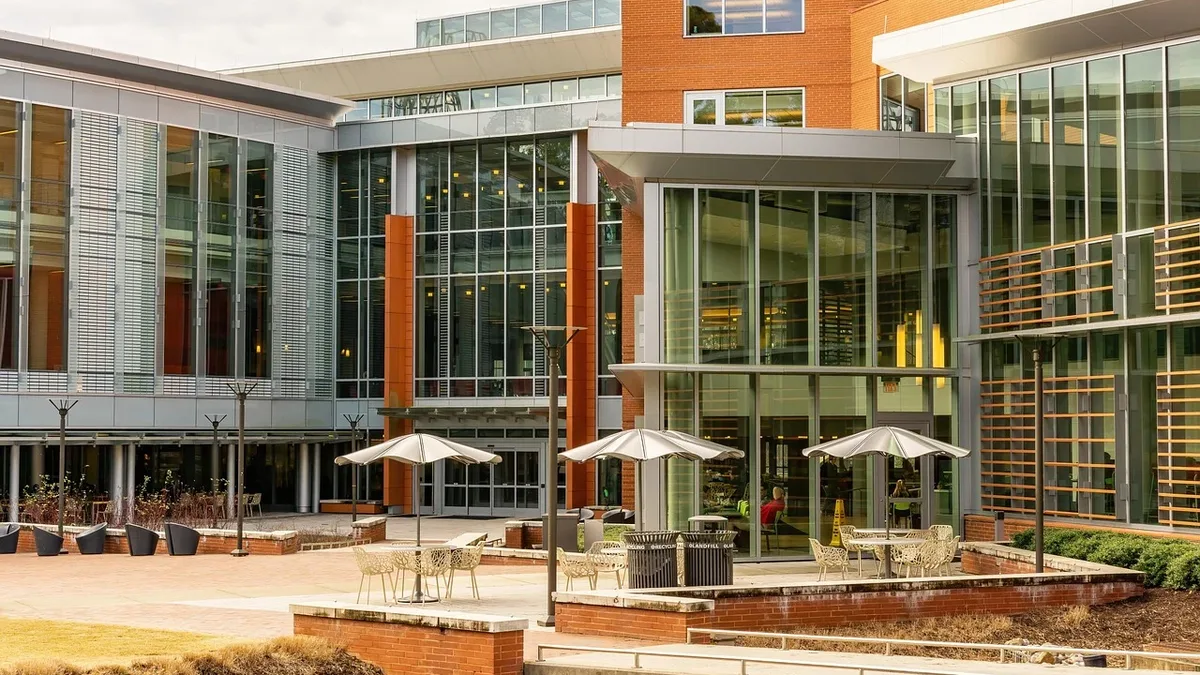
Community colleges are facing difficulties due to a rule requiring F-1 visa students to take at least nine credits per semester in-person.
This rule has been in place for a long time, but its implications have become more pronounced as local funding for community colleges has decreased. As a result, many courses have been consolidated, with online alternatives often filling faster than in-person sections.
This has led to a situation where community colleges are being asked to add small in-person sections at the last minute for F-1 visa students, which can be costly and impractical.
The author of this piece suggests that the rule may have made sense when online courses were the exception, but now that they are the norm, it is no longer practical.
The author proposes a solution: require one course with an in-person presence to prevent fraud, but then let F-1 visa students take what they will beyond that.
Community Colleges and the F-1 Visa Rule
The F-1 visa rule requires students to take at least nine credits per semester in-person. However, this rule is causing problems for community colleges.
| Modality | Number of Sections |
|---|---|
| In-person | 5 |
| Online | 10 |
As local funding has decreased, community colleges have had to consolidate courses, leading to a situation where online courses often fill faster than in-person sections.
The Cost of Compliance
Adding small in-person sections at the last minute for F-1 visa students can be costly and impractical for community colleges.
| Cost | In-person Section | Online Section |
|---|---|---|
| Enrollment | 20 | 50 |
| Cost per Student | $1,000 | $500 |
The author suggests that the rule may have made sense when online courses were the exception, but now that they are the norm, it is no longer practical.
A Proposed Solution
The author proposes a solution: require one course with an in-person presence to prevent fraud, but then let F-1 visa students take what they will beyond that.
This solution would allow community colleges to better manage their resources and provide more flexible options for F-1 visa students.
The author also shares some humorous aphorisms from readers, including "Mind reading is a very imperfect form of communication" and "What part of 'no' don't you understand?