Universities Shift Toward Socio-Emotional Skills Alongside Technical Knowledge
Universities are shifting their focus from solely technical knowledge to a more holistic approach that includes socio-emotional skills.
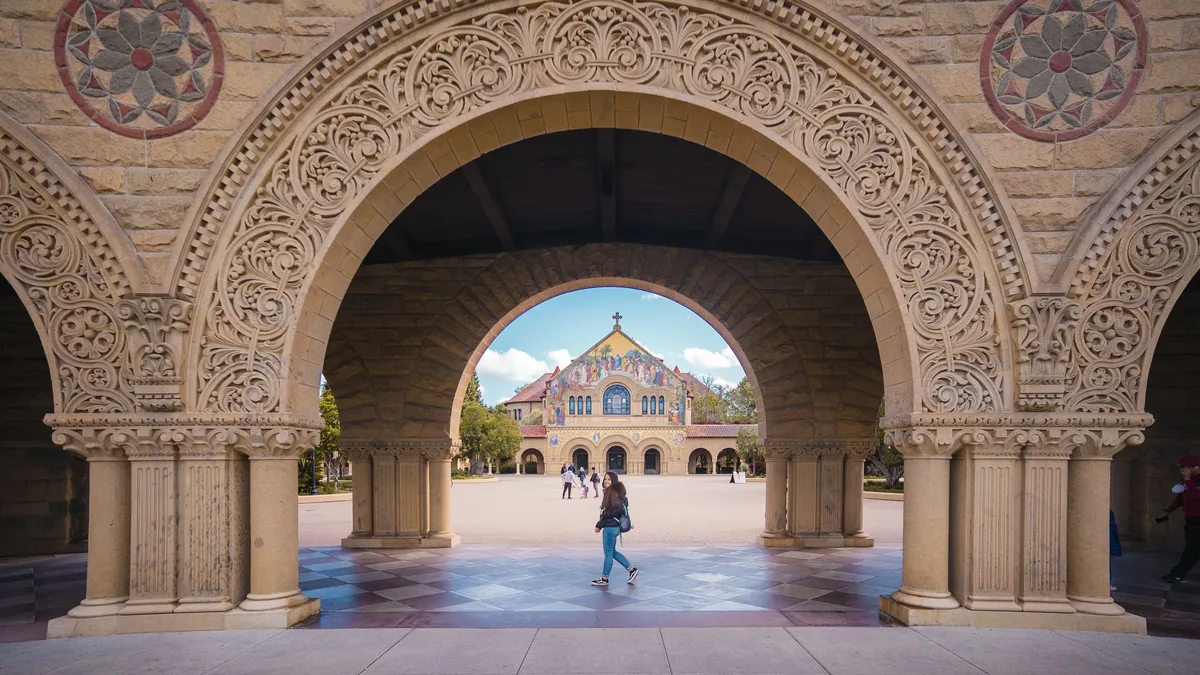
A growing trend in universities is to prioritize socio-emotional skills alongside technical knowledge. This shift is driven by the need for professionals to be adaptable, collaborative, and emotionally intelligent in a rapidly changing work environment.
The Importance of Socio-Emotional Skills
Socio-emotional skills are essential for individuals to navigate complex social situations, build strong relationships, and make informed decisions. These skills include empathy, communication, and adaptability, which are becoming increasingly valued by employers.
The Future of Work Requires More Human Skills
According to the The Future of Jobs Report 2025, skills such as resilience, flexibility, leadership, social influence, and continuous learning are highly valued by employers for the next years. This means that professionals of the future will need to combine technical knowledge with human skills that foster collaboration, problem-solving, and adaptability in increasingly complex environments.
Communication and Collaboration are Key
Effective communication and collaboration are essential skills in almost all professions. Projects developed in teams require active listening, respect for differences, and a willingness to build collective solutions. Efficient communication helps to avoid conflicts, strengthens relationships, and contributes to more productive environments.
The Role of Schools in Forming Integral Education
The development of these skills, however, begins long before entering the workforce. Schools play a fundamental role in the education and human development of students, offering experiences that go beyond the transmission of academic content.
A Holistic Approach to Education
A holistic approach to education that includes socio-emotional learning can have a significant impact on students' lives. This approach can help students develop essential skills such as teamwork, listening to different perspectives, managing frustrations, adapting to changes, and communicating clearly and respectfully.
| Skill | Description |
|---|---|
| Empathy | The ability to understand and share the feelings of others |
| Communication | The ability to express oneself clearly and effectively |
| Adaptability | The ability to adjust to new situations and challenges |
| Resilience | The ability to bounce back from setbacks and challenges |
| Flexibility | The ability to be open to new ideas and perspectives |
| Leadership | The ability to inspire and motivate others |
| Social Influence | The ability to influence and persuade others |
| Continuous Learning | The ability to learn and adapt to new situations and challenges |
Forming Professionals for the Future
With rapidly changing professions, technical knowledge accompanied by cognitive skills and socio-emotional skills tend to expand possibilities for development throughout life and favor employability. Students who develop socio-emotional skills are more autonomous, more aware of their responsibilities, and more capable of understanding the impact of their choices on themselves and others.
| Benefit | Description |
|---|---|
| Autonomy | The ability to make decisions and take responsibility for one's actions |
| Responsibility | The ability to understand and take responsibility for one's actions |
| Empathy | The ability to understand and share the feelings of others |
| Teamwork | The ability to work effectively with others |
| Decision-Making | The ability to make informed and responsible decisions |
The Fundação Bradesco promotes inclusion and social transformation through free and excellent education, contributing to the development of essential skills for life in society and for the challenges of the future of work.
Source: G1 Educacao (Globo)