Antioch University Sues Over Alleged Hostile Takeover
Antioch University has filed a lawsuit and obtained a temporary restraining order against the Coalition for the Common Good, alleging the parent
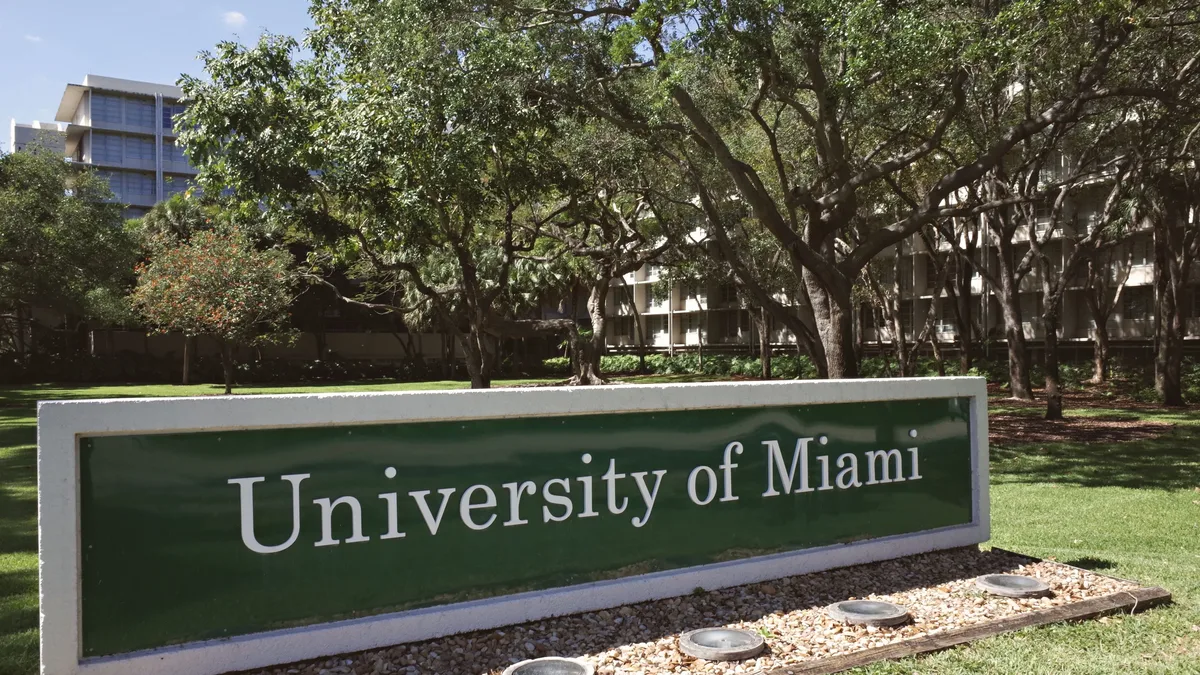
Antioch University is suing the Coalition for the Common Good (CCG), alleging the parent organization attempted a hostile takeover last week. A county court granted Antioch a temporary restraining order on September 1, blocking the CCG's actions ahead of a hearing scheduled for September 14.
According to a legal complaint filed by Antioch and reported by Inside Higher Ed, the CCG board voted privately to dissolve Antioch's Board of Governors, take control of its bank accounts, and interfere with its accreditation body, the Higher Learning Commission. The CCG board, led by Otterbein University President John Comerford, also sent a termination letter to Antioch President Lori Varlotta that same day. Antioch argues these actions violated the coalition's own bylaws, which require approval from an Antioch committee for changes to the university's governance, accreditation, or finances.
In a September 1 court filing, the CCG objected to Antioch's claims, calling some unverified and inaccurate. The CCG Board of Directors stated its vote was intended "to simplify the governance structure to improve decision-making and help Antioch move forward." Antioch continues its operations as usual, refusing to accept the CCG's actions.
Partnership Founded with High Hopes
The Coalition for the Common Good was formed as a business alliance between Antioch University and Otterbein University. It was designed as a national university system focused on graduate education and adult learners, allowing undergraduate-focused Otterbein to offer its students pathways to Antioch's graduate programs. Both institutions maintained autonomous governance while a shared nine-member board oversaw coalition-wide decisions.
Antioch President Lori Varlotta said the CCG was a novel concept meant to help private, tuition-driven institutions serve students and sustain their financial health. "It was a bright concept," Varlotta told Inside Higher Ed. The partnership was intended to eventually include more affiliate institutions.
Financial Audit Reveals Coalition 'Failures'
Tensions began after Antioch's board asked Varlotta to audit the CCG's finances. Steve Crandall, chair of Antioch's board, said her analysis was "not really flattering." It found the CCG had failed to recruit any additional affiliate universities, had not established operational budgets or checking accounts, and had enrolled only about 30 students in its pathway program since launch. The complaint alleges the CCG directed Varlotta to discontinue her analysis and restrict discussion of her findings, though it did not dispute her conclusions.
Antioch's leaders resisted. The CCG agreed to form a committee, which produced four options for the coalition's future: retain the current structure, pursue a shared-services model, separate amicably, or force a dissolution. Varlotta, an ex officio member of the CCG board, said she was "very surprised that the CCG refused to consider the four recommendations."
Escalation to Legal Battle
The dispute intensified. The complaint alleges that CCG board chair Dan Gifford emailed members suggesting a vote to dissolve Antioch's board without explaining why such measures were necessary. It also claims coalition members sought "to pressure President Varlotta out of her role." A third-party investigation commissioned by the CCG concluded that Comerford treated Varlotta "in an unprofessional and verbally intimidating manner," violating Antioch's employee conduct policy. Gifford and CCG vice chair Charlene Hayes threatened Varlotta with disciplinary action, including termination, if she did not quickly produce a corrective plan.
Despite mediation scheduled for early September, the CCG board proceeded with its vote. Crandall said Antioch's intent was to find a way forward, not end the partnership. "The trust has now been broken, and I don't know that there's a way to rebuild that trust," he said. He added that even if the coalition unwinds, Antioch would seek to maintain its pathway program with Otterbein and pursue other partners, believing the complex system structure is unnecessary for that goal.